How Long Does a Roof Last in Southern California? Lifespan by Material
Learn how long different roofing materials last in Southern California, what factors shorten a roof lifespan, and when Corona homeowners should plan for replacement.
In Southern California, asphalt shingle roofs typically last 20 to 25 years, while tile and metal roofing systems often provide 40 to 70 years of service. Climate factors—specifically UV exposure and heat—accelerate material degradation, so proactive inspections and proper attic ventilation are essential to reaching the maximum expected lifespan for your specific roof type.
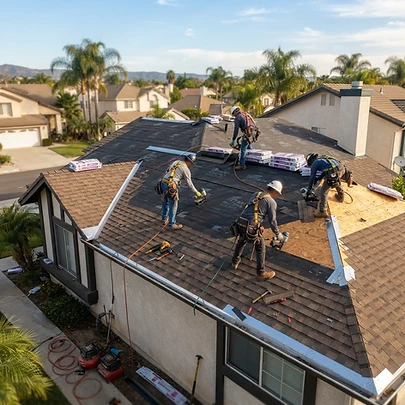
Average Roof Lifespan by Material in Southern California
The lifespan of a roof in Corona, CA depends primarily on the roofing material installed. Here is a breakdown of common roofing materials and their expected service life in the Southern California climate:
- Asphalt shingles: 20 to 25 years. The most common and cost-effective option, but prolonged sun exposure shortens lifespan.
- Clay and concrete tile: 40 to 70 years. Highly durable and well-suited to the region heat, though individual tiles can crack under impact.
- Metal roofing: 40 to 70 years. Excellent heat reflection and fire resistance make metal a strong long-term investment.
- Wood shake: 20 to 30 years. Requires regular maintenance in dry climates to prevent cracking and splitting.
Understanding your roofing material is the first step in planning for roof replacement or roof maintenance.
Climate Factors That Shorten Roof Lifespan
Southern California climate presents unique challenges that can reduce a roof service life:
- UV radiation: Constant sun exposure breaks down asphalt shingle granules over time, causing cracking and curling.
- Heat: High temperatures cause roofing materials to expand and contract, stressing seals and fasteners.
- Santa Ana winds: Strong seasonal winds can lift and damage shingles, especially on older roofs.
- Low rainfall: While less rain means fewer leaks, dry conditions can cause wood components to become brittle.
Scheduling an annual roof inspection helps identify climate-related wear before it becomes a major issue.
Signs Your Roof Is Approaching End of Life
Even if you know your roof age, visible warning signs indicate it may need attention:
- Missing, cracked, or curling shingles: A clear sign of material breakdown.
- Granules in gutters: Excessive granule loss means the protective surface is wearing away.
- Sagging roofline: Structural issues that require immediate professional attention.
- Interior water stains: Leaks that have already penetrated the roofing system.
- Higher energy bills: Poor roof ventilation can cause HVAC systems to work harder.
If you notice any of these signs, contact us for a professional assessment.
How to Extend Your Roof Lifespan
Corona homeowners can take several steps to maximize their roof service life:
- Schedule annual inspections: Catch minor issues before they become major repairs.
- Keep gutters clean: Clogged gutters cause water backup that damages the roof edge. See our gutter services.
- Trim nearby trees: Branches that touch the roof cause abrasion and drop debris.
- Ensure proper attic ventilation: Reduces heat buildup that accelerates shingle aging.
- Address repairs promptly: Small leaks and damage worsen over time. Our roof repair services can help.
View examples of our work in our project gallery.
Frequently Asked Questions
How often should I have my roof inspected in California?
We recommend an annual roof inspection, plus an additional inspection after any major storm. Regular inspections catch minor issues before they become costly repairs and help extend the overall lifespan of your roof.
Can I make my asphalt shingle roof last longer?
Yes. Proper attic ventilation, annual inspections, prompt repairs, clean gutters, and trimming nearby trees all help asphalt shingle roofs reach their full expected lifespan of 20 to 25 years.
Should I repair or replace an aging roof?
If your roof is under 15 years old and damage is localized, repairs are usually sufficient. If the roof is over 20 years old or showing widespread wear, replacement is often more cost-effective. A professional inspection provides an honest assessment.
Update note: Refreshed featured image with validated, context-specific asset (v8)